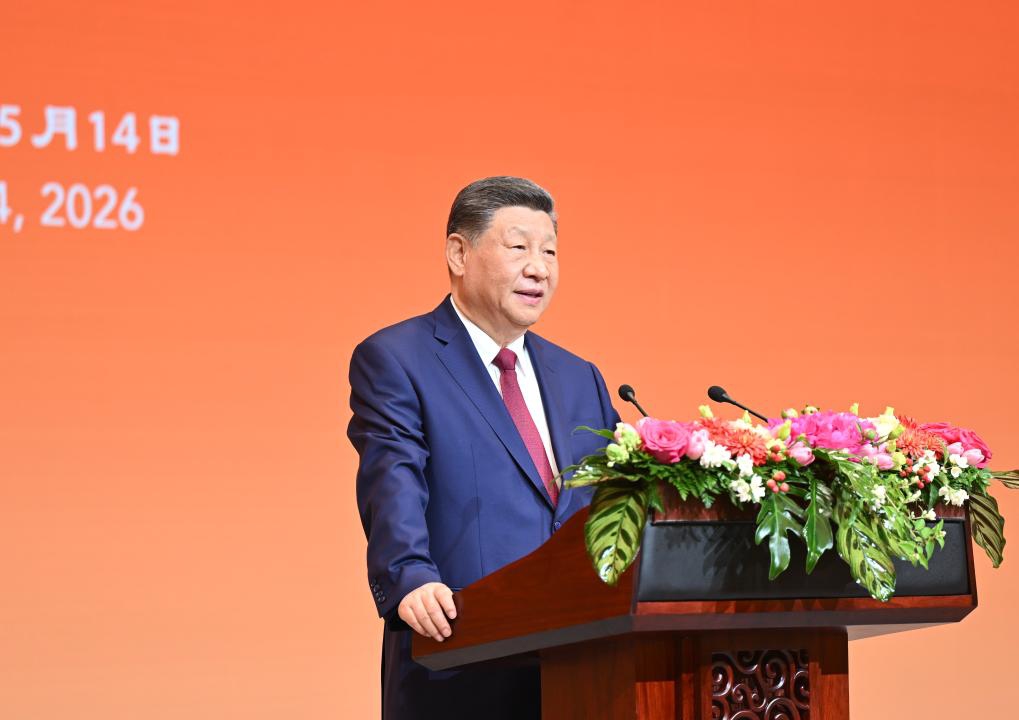
Chinese President Xi Jinping on Thursday held a banquet at the Great Hall of the People in Beijing to welcome U.S. President Donald Trump on his state visit to China.
Addressing the banquet, Xi said the China-U.S. relationship is the most important bilateral relationship in the current world.
"We must make it work, and never mess it up," Xi said, adding that both China and the United States stand to gain from cooperation and lose from confrontation.
"Our two countries should be partners rather than rivals," he added.
Xi also said that the two sides agreed to build a constructive China-U.S. relationship of strategic stability to promote the steady, sound, and sustainable development of China-U.S. relations, and bring more peace, prosperity and progress to the world.
"Looking back at the course of China-U.S. relations, whether or not we could have mutual respect, peaceful coexistence, and win-win cooperation is the key to whether the relationship can advance steadily," Xi said.
Noting that China-U.S. relations concern the well-being of the over 1.7 billion people of both countries and affect the interests of the over 8 billion people of the world, Xi said both sides should rise up to this historical responsibility and steer the giant ship of China-U.S. relations forward steadily and in the right direction.
In his remarks at the banquet, Trump said the two sides had positive and constructive conversations.
Noting that the U.S.-China relationship is the most consequential bilateral relationship in the world, Trump said the two countries should strengthen cooperation to create a better future for the world.
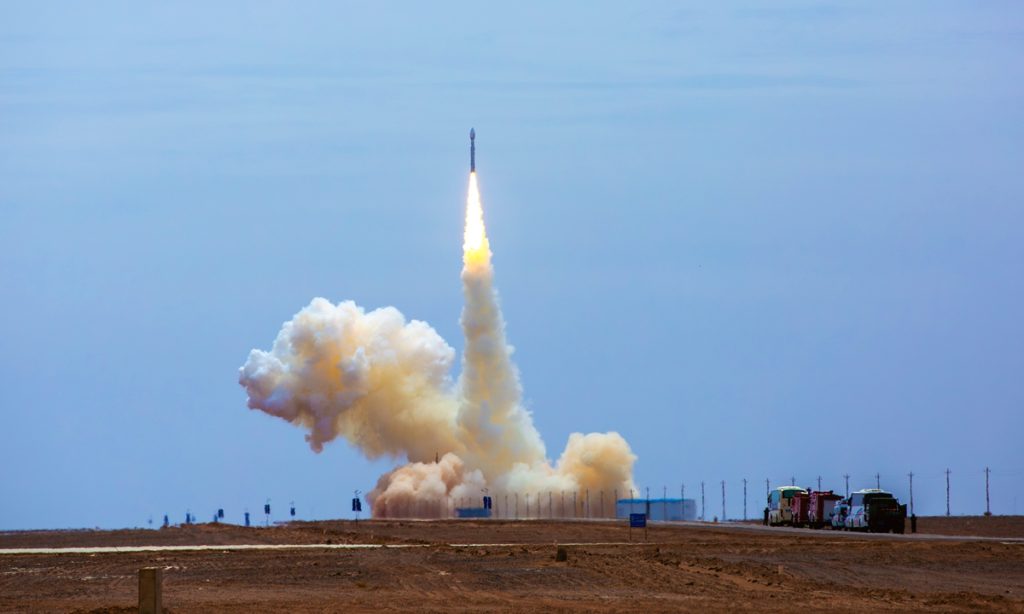
China on Friday successfully sent PowerChina-1, the country's first dedicated satellite for energy engineering, into its predetermined orbit with a Lijian-1 Y13 carrier rocket at the Dongfeng commercial space innovation pilot zone in northwest China, the Global Times learned from the developer on Friday.
As China's first dedicated X-band Synthetic Aperture Radar (SAR) satellite for the energy infrastructure sector, the successful launch fills the gap in dedicated space-based monitoring satellites for the energy sector, building an independently controllable "space security guardian" for major national energy projects, according to a statement the developer, the PowerChina Chengdu Engineering Corporation, sent to the Global Times.
According to the statement, PowerChina-1 was developed over two years under the lead of the PowerChina Chengdu Engineering Corporation, in collaboration with China University of Geosciences (Wuhan) and Chinese commercial satellite developer Spacety Co. Ltd. The satellite weighs approximately 300 kilograms.
Equipped with an advanced planar phased array radar system, it achieves a spotlight imaging resolution better than 0.5 meters and a scanning width of up to 200 kilometers, boasting powerful all-weather, all-time observation capabilities that can penetrate clouds and rain. Unlike traditional optical satellites, it operates in a 500-kilometer low-Earth orbit relying on low-orbit X-band interferometric radar technology and repeat-track interferometry.
Adopting time-series InSAR technology with atmospheric correction, it can precisely capture millimeter-level subtle deformations of the ground surface and large structures, accurately identifying tiny displacement changes as small as the diameter of a human hair, per the statement.
For a long time, major infrastructure projects such as hydropower stations, highways and railways in remote mountain valleys of western China have been plagued by insufficient ground monitoring coverage, poor continuity and high operation and maintenance costs. Traditional optical satellites are vulnerable to cloud and rain interference, and core monitoring data once relied heavily on foreign sources for a long time. In contrast, PowerChina-1 acts like an orbital CT scanner for engineering projects, effectively solving long-standing monitoring bottlenecks in the industry. Zhang Shishu, Chief Scientist of the PowerChina-1 satellite, chief technical expert at PowerChina and Chairman of the PowerChina Chengdu Engineering Co, introduced that after entering orbit smoothly, the satellite will fully support the full-life-cycle safety guarantee of major national infrastructure including hydropower, water conservancy, transportation and new energy. It can identify potential geological hazards such as landslides, rock collapses and ground subsidence on a large scale with high precision, helping shift disaster prevention and mitigation from passive emergency response to active early warning.
Meanwhile, it conducts non-contact planar continuous deformation monitoring on key structures including dams, bridges, tunnels and high slopes, providing high-precision data support for engineering health diagnosis and predictive maintenance. By accumulating spatio-temporal deformation big data through long-term continuous observation, it also facilitates engineering design optimization and long-term operation and maintenance, and boosts the construction of an integrated intelligent perception system covering space, low altitude, ground, underground and underwater, Zhang said.
The complete success of the launch marks that PowerChina has built a full industrial chain covering satellite development to data application, realizing full independent controllability of core technologies and data resources.
The Global Times learned that PowerChina-2, a low-orbit microwave link rainfall measurement satellite, has entered the development phase. In the future, PowerChina-1 will form a constellation with PowerChina-2 and other follow-up satellites, gradually establishing a spatial information support system covering the entire life cycle of energy engineering survey, design, construction and operation. This will achieve a major strategic shift from reliance on foreign data to self-developed dedicated satellite constellations, according to the statement.
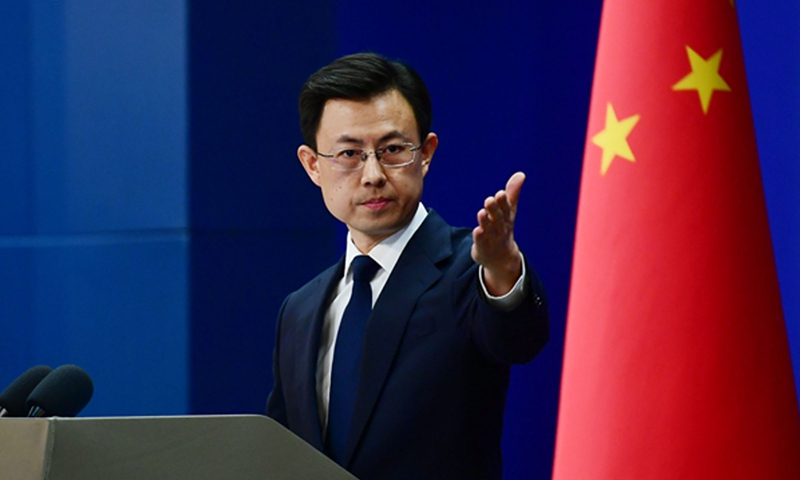
In response to a media inquiry over relevant remarks made by US President Donald Trump ahead of his visit to China, Chinese Foreign Ministry spokesperson Guo Jiakun stated on Wednesday that heads-of-state diplomacy plays an irreplaceable role in providing strategic guidance for China-US relations, and that China welcomes President Trump for a state visit to China.
During the visit, the two heads of state will engage in in-depth exchanges of views on major issues concerning China-US relations as well as world peace and development. China stands ready to work with the US to expand cooperation and manage differences in the spirit of equality, respect and mutual benefit, and provide more stability and certainty for a transforming and volatile world, the spokesperson said.
The Chinese Embassy in Serbia on Thursday held a commemorative event marking the 27th anniversary of NATO's bombing of the Chinese Embassy in the Federal Republic of Yugoslavia, with Chinese and Serbian officials deeply mourning the three Chinese martyrs and pledging to carry forward the two countries' ironclad friendship while jointly safeguarding peace, justice and the UN-centered international order.
Chinese Ambassador Li Ming, Serbian Minister of Labor, Employment, Veterans' and Social Affairs Milica Djurdjevic Stamenkovski, Deputy Mayor of Belgrade Vesna Vidović, representatives from Serbia's Ministry of Foreign Affairs, journalists' associations, veterans' associations and other sectors, all staff members of the Chinese Embassy in Serbia, as well as representatives of Chinese media outlets, Chinese-funded institutions, Chinese students and teachers, and overseas Chinese in Serbia attended the event.
Ambassador Li said that NATO's atrocity 27 years ago seriously violated China's sovereignty and grossly trampled on international law and the basic norms governing international relations. Today, 27 years later, hegemonism and power politics are still eroding the foundation of the international order and threatening world peace.
Remembering history is aimed at better defending peace and safeguarding justice. China is willing to work with Serbia to carry forward friendship, strengthen mutual trust, firmly uphold the UN-centered international system, and take concrete actions to build a community with a shared future for mankind, said Li.
Minister Stamenkovski said that 27 years ago, NATO launched a barbaric aggression against the Federal Republic of Yugoslavia, seriously violating the UN Charter and international law. The peoples of Serbia and China firmly defended their national dignity, and forged an ironclad friendship that proves true in adversity with blood and lives, Stamenkovski said.
Today, Serbia has risen from the ashes and is moving toward prosperity, becoming China's most sincere partner in Europe. Serbia is willing to continue deepening its traditional friendship with China and work together for the noble cause of peace and development, Stamenkovski said.
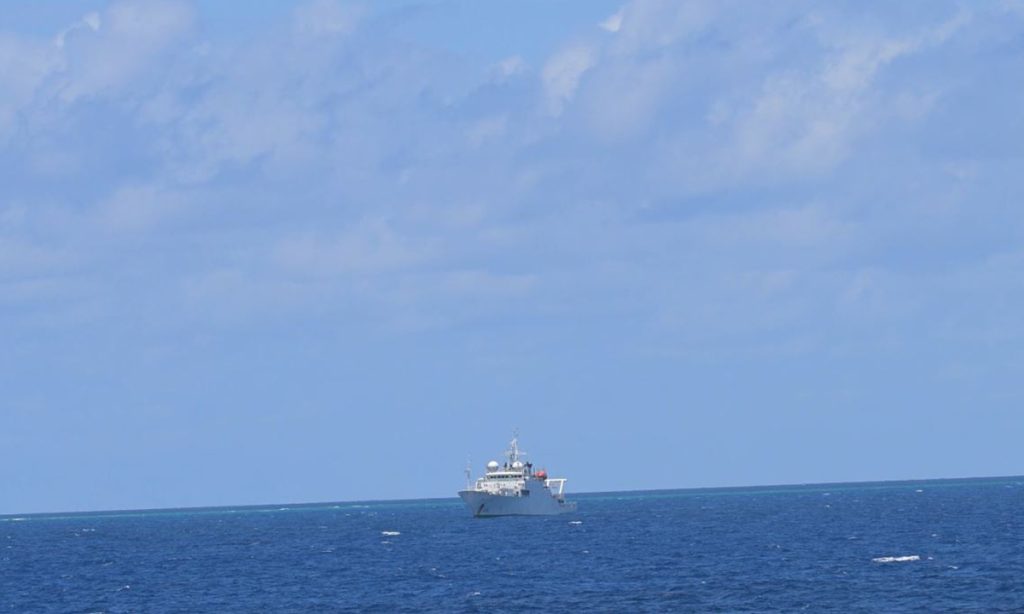
According to China Coast Guard (CCG) spokesperson Jiang Lue, on May 6, China’s scientific research vessel Xiangyanghong 33 conducted routine ecological environment surveys in waters near China’s Houteng Jiao. During the operation, a Philippine Coast Guard Islander aircraft deliberately approached and harassed the vessel.
Video footage obtained by the Global Times on Saturday shows that when the Xiangyanghong 33 was carrying out normal ecological surveys, a Philippine C-208 official aircraft circled at low altitude in an attempt to disrupt the Chinese vessel’s normal operations.
The Global Times learned that Houteng Jiao lies within the Liyuetan Basin of China’s Nansha Qundao (islands), an area believed to hold abundant oil and gas resources. Previously, the Philippine side has repeatedly dispatched vessels to conduct illegal activities in waters adjacent to Houteng Jiao in attempts to infringe on China’s rights and provoke tensions. In addition, the Philippines has organized so-called "fishermen" to gather illegally in waters near Houteng Jiao on multiple occasions.
In response to the illegal actions of Philippine vessels, the CCG has taken necessary control measures in accordance with laws and regulations, and has seized the fish aggregation devices deployed by the Philippine side, which harm the local ecology and the safety of maritime navigation.
The ecological survey conducted by Xiangyanghong 33 this time is a regular measure to protect the marine ecology of Houteng Jiao waters and constitutes legitimate “normal activities” in accordance with international law.
In response to the Philippine side's latest provocative actions, the CCG conducted tracking, monitoring, control, and disposal measures in accordance with laws and regulations, ensuring the operational safety of the Chinese vessel. Throughout the operation, the actions remained professional and compliant.
“We sternly warn the Philippine side to immediately stop illegal harassment, smearing and inflammatory propaganda. The CCG will continue to conduct rights-protection and law enforcement operations in waters under China's jurisdiction in accordance with the law, and take all necessary measures to ensure the safety of China's scientific survey operations and uphold peace and stability in the South China Sea,” Jiang said.
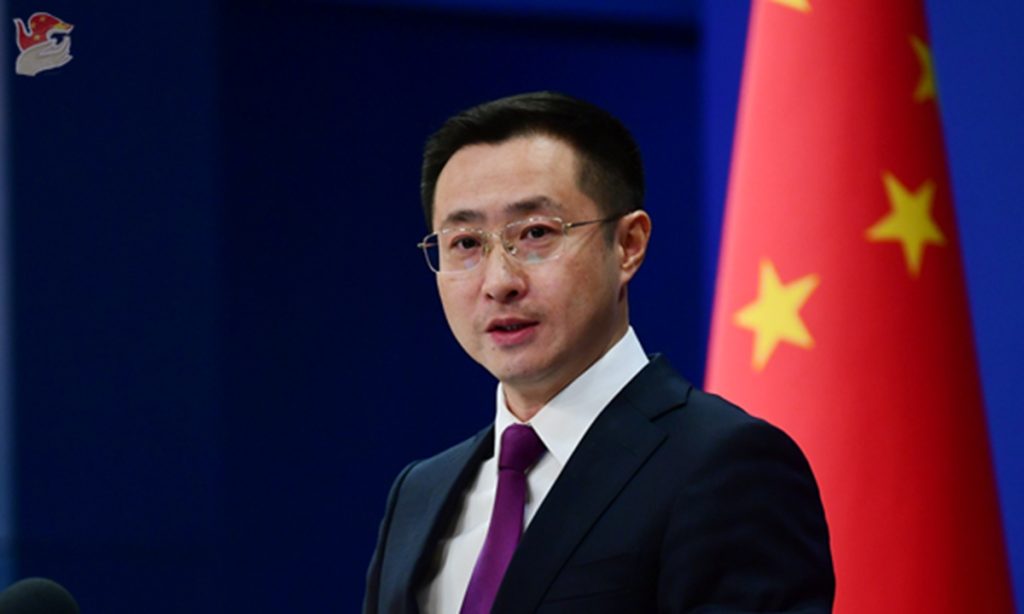
In response to the US announcement of sanctions against a Chinese private refining company on the grounds of "links to Iran," Chinese Foreign Ministry spokesperson Lin Jian said at a regular press briefing on Monday that China has consistently opposed illegal unilateral sanctions that lack any basis in international law, Xinhua News Agency reported.
Lin urged the US to stop its erroneous practice of abusing sanctions and exercising "long-arm jurisdiction." China will resolutely safeguard the legitimate rights and interests of its companies, the spokesperson noted, per Xinhua.
China’s Ministry of Industry and Information Technology (MIIT) on Tuesday released a draft outlining how administrative penalties should be applied to violations in rare earth mining, smelting and related activities under the Regulations on the Administration of Rare Earths, and is inviting public feedback.
According to a notice published on the ministry’s website, the draft aims to better implement the regulations, standardize law enforcement in the rare earth sector, and strengthen law-based governance.
The document specifies the legal basis, penalty standards and applicable conditions for six categories of violations. It also introduces a four-tier system for enforcement discretion based on the severity of offenses: no penalty, lenient penalty, standard penalty and severe penalty.
Covered violations include breaches of total quota control rules in rare earth mining and smelting and separation; unauthorized entities or individuals engaging in smelting and separation activities; and rare earth comprehensive utilization enterprises using rare earth mineral products as production inputs.
Other violations include the purchase, processing or sale of illegally mined or smelted rare earth products; failure by enterprises to accurately record and upload product flow data to the traceability system; and refusal to cooperate with, or obstruction of, lawful inspections by regulators.
Penalties may include the confiscation of illegal gains, illicit products and equipment directly used in unlawful activities, along with fines of varying degrees. In serious cases, business licenses may be revoked, the draft states.
Public feedback can be submitted via mail, email or fax through May 28, 2026, according to the MIIT notice.
In recent years, China has introduced multiple policies and measures in aspects including industry entry standards, sector consolidation, and environmental protection, which effectively promoted the sustainable and healthy development of the industry.
In October 2024, the regulations on rare earth administration in China took effect, aimed at promoting the high-quality development of the rare earth industry while maintaining the safety of national resources and industries.
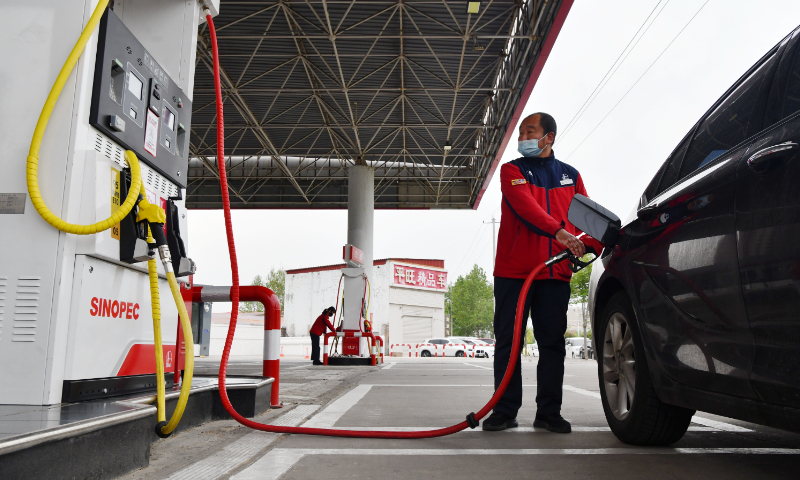
Starting from midnight on April 21, China's retail prices for gasoline and diesel will be reduced by 555 yuan ($81.40) and 530 yuan per ton, respectively, in accordance with changes in international oil prices, the National Development and Reform Commission (NDRC) said on Tuesday.
This round of price adjustments marks the eighth pricing window of this year and also the first reductions since the beginning of this year, China Media Group (CMG) reported.
Nationally, the average equivalent reductions per liter are 0.44 yuan for 92-octane gasoline, 0.46 yuan for 95-octane gasoline, and 0.45 yuan for 0-diesel. Filling a 50-liter tank with 92-octane gasoline will cost 22 yuan less, the CMG report said.
According to the NDRC, since the last price adjustment on April 7, international crude oil prices have experienced sharp fluctuations. After a significant decline in recent days, they rose considerably again on April 20.
However, the average price over the 10 working days prior to the coming adjustment remains lower than that of the 10 working days before the previous adjustment, said the NDRC.
CNPC, Sinopec, CNOOC, and other crude oil processing enterprises should organize the production and transportation of refined oil products to ensure stable market supply and strictly implement the government's pricing policies. Relevant departments in the country should strengthen market supervision and inspection, severely penalize any violations of the policies, and maintain normal market order, said the NDRC.
"This price cut reflects the short-term decline in international crude oil prices, allowing domestic fuel prices to better align with market changes. It will help ease cost pressures on consumers and businesses," Lin Boqiang, director of the China Center for Energy Economics Research at Xiamen University, told the Global Times on Tuesday.
China has stepped in to regulate refined oil prices twice, in a move aimed at shielding the economy and consumers from recent spikes in international crude prices.
Effective from midnight on March 23, the commission adopted regulatory measures on refined oil prices. This marked the first regulatory intervention since the mechanism was introduced in 2013, the Xinhua News Agency reported.
On April 7, the NDRC said that it would continue to regulate refined oil prices to cushion the impact of rising international crude oil prices on the domestic market.
According to an NDRC notice in 2013, in special circumstances -- such as a significant rise in the overall domestic price level, the occurrence of major emergencies, or sharp fluctuations in international oil prices over a short period -- that necessitate adjustments to refined oil product prices, temporary regulatory measures shall be implemented in accordance with the law. Upon approval by the State Council, as requested by the NDRC, price adjustments may be suspended, postponed, or the magnitude of such adjustments reduced.
Lin said that the two changes in oil prices represent precise, moderate, and responsible moves. "Under special circumstances, they serve as an effective 'shock absorber,' safeguarding the stability of market supply while preventing excessively rapid oil price increases from triggering a chain reaction of impacts on downstream industries," the expert noted.
"The escalation of the US-Iran conflict and disruptions to shipping through the Strait of Hormuz pose a significant systemic shock to energy security across Asia. However, we believe that China's energy system has stronger buffering capacity compared with most other Asian economies," Jenny Huang, senior director of Asia-Pacific corporate ratings at Fitch Ratings, said in an analysis sent to the Global Times on Tuesday.
Huang noted that China's crude oil import sources are relatively diversified, and the country maintains substantial commercial inventories and strategic petroleum reserves, which can effectively cushion short-term supply disruptions caused by the conflict.
In addition, major state-owned energy enterprises in the upstream sector bear the responsibility of ensuring supply and stabilizing the market under high oil price environments, thereby further reducing the risks of supply volatility, she said.
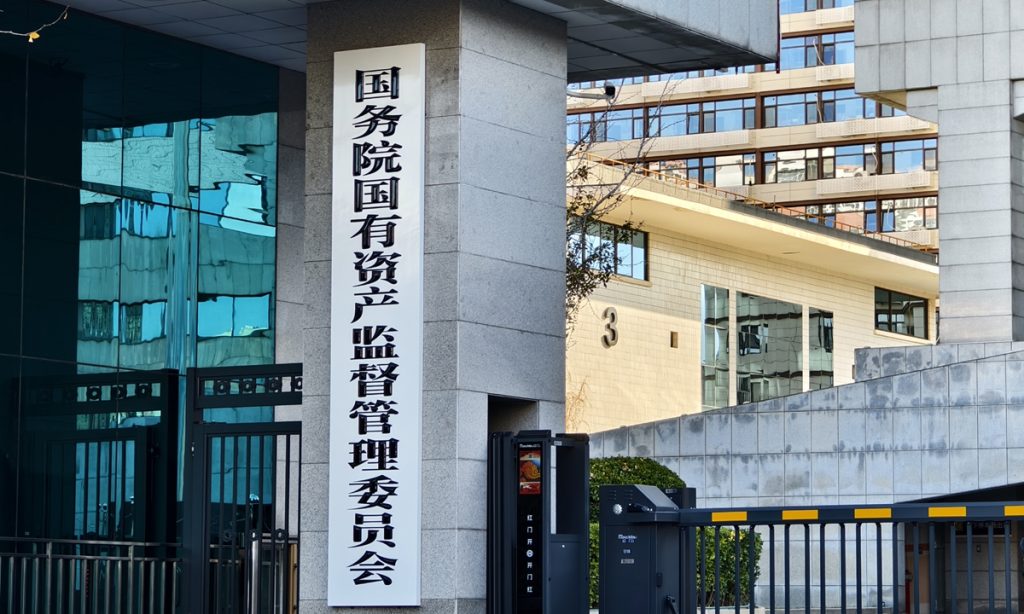
China's State-owned Assets Supervision and Administration Commission of the State Council (SASAC), the country's state assets regulator, has newly established the bureau of overseas state-owned assets, the Xinhua News Agency reported on Wednesday.
According to the official website of the SASAC, the main responsibilities of the new bureau include guiding the supervised enterprises in their international operations and optimizing the layout, structure, and adjustment of overseas assets; undertaking supervision of overseas assets of the supervised enterprises; strengthening risk prevention and mitigation in areas such as overseas investment and operations; and handling matters related to overseas emergencies and crisis response.
The bureau has established internal divisions including the international operations division, the risk prevention and mitigation division, the supervision and governance division, and the emergency management division, according to the official website.
"One responsibility of the new bureau primarily is to respond to changes in the current international situation, including recent tensions in the Middle East. By establishing this bureau, China can strengthen the prevention and resolution of risks related to overseas investment and operations.
"In particular, when sudden incidents or crises occur abroad, the agency will be able to promptly handle relevant matters and prevent major losses of state-owned assets in overseas investments," Yang Delong, chief economist at Shenzhen-based First Seafront Fund, told the Global Times on Wednesday.
China's central state-owned enterprises maintain more than 8,000 institutions and projects in more than 180 countries and regions worldwide, with overseas assets exceeding 9 trillion yuan ($1.31 trillion), according to Li Zhen, deputy head of the SASAC.
As the high-quality development of international cooperation initiatives such as the Belt and Road Initiative continues to advance, central state-owned enterprises (SOEs), acting as the main force, have built up overseas assets amounting to several trillion yuan. However, the previous decentralized management model has become inadequate to cope with the complex international environment, Li Jin, chief researcher at the China Enterprise Research Institute in Beijing, told the Global Times on Wednesday.
Li Jin added that in recent years, the global geopolitical landscape has undergone profound adjustments, placing unprecedented pressure on central SOEs' overseas projects in terms of investment security and asset preservation. "There is an urgent need for a dedicated institution to coordinate and manage these efforts," Li Jin noted.
As to enterprises, Yang said that the bureau will guide the specific operations and strategic direction of overseas investments, making the investment layout more scientific and rational, thereby improving the success rate of investments and avoiding potential risks. This represents an important measure to achieve the preservation and appreciation of state-owned assets, Yang noted.
"This new bureau not only responds to the practical needs arising from the internationalization of central enterprises, but also strengthens the bottom line for safeguarding state-owned assets, while serving the nation's overall opening-up strategy," Yang said.
In the outline of the 15th Five-Year Plan (2026-30) for national economic and social development, it noted efforts to improve the state-owned assets supervision system and better leverage the role of state-owned capital investment and operating companies.
The outline said that efforts should be made to implement outbound investment management, strengthen the overseas comprehensive service system, promote the integration of trade and investment, and guide the rational and orderly cross-border layout of industrial and supply chains.
In addition, it stressed the need to improve the mechanisms and legal frameworks for monitoring, preventing, controlling, and addressing risks in outbound investment, and encourage enterprises to enhance their risk prevention and control capabilities as well as compliance management.
On April 16, a fishing boat from China’s Taiwan region caught fire at approximately 76 nautical miles northeast of Huangwei Yu. 7 crew members were aboard the boat at the time of the incident. China Coast Guard (CCG) vessel on routine patrol duty immediately rushed to the affected waters to extinguish the fire and conduct search and rescue operations, according to a statement published by the CCG on Friday.
As of now, 6 crew members have been rescued. Relevant rescue efforts are still ongoing. In accordance with the law, CCG will continue to protect the safety of life and property of Chinese fishermen , including those from the Taiwan region, and will effectively safeguard the normal navigation and operational order in the relevant waters, the statement said.