Ancient Chinese clothing exhibition in Berlin reveals Confucian elegance
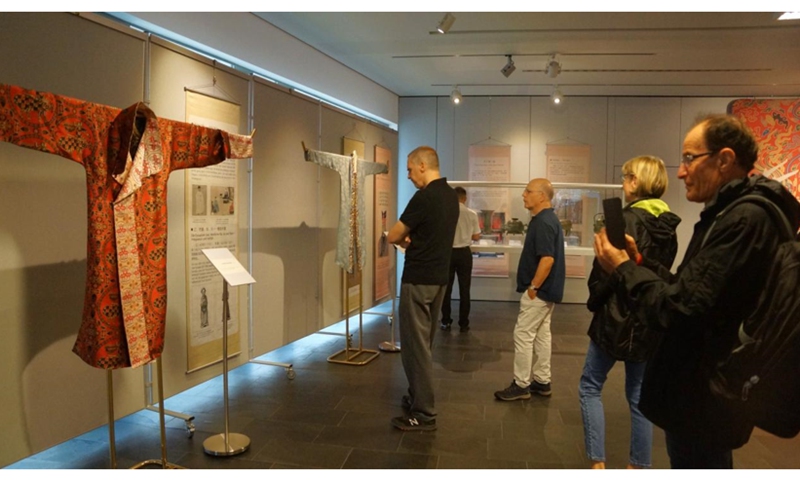
A new exhibition on ancient Chinese clothing was held in German capital Berlin. The exhibition traces the history of Chinese clothing, highlighting how the Confucian core value of “ritual” is expressed in Chinese clothing culture.

Set to run until October 9, this exhibition on ancient Chinese clothing culture is part of the 2024 Confucius international cultural exchange series.

“Chinese clothing culture has evolved over different historical periods, forming a comprehensive system of development. It reflects the transmission of civilization and encapsulates historical moments,” said Sun Qinhang, director of the China Cultural Center in Berlin.

“We hope this exhibition serves as a bridge between the ancient and modern, East and West, fostering exchanges and enhancing mutual understanding between civilizations,” Sun noted.

The exhibition features a special selection of heirloom garments from the Confucius temple back in Qufu, Shandong Province. These ancient Ming Dynasty (1368-1644) outfits, renowned for their vibrant colors, exquisite craftsmanship, and unique designs, vividly showcase the splendor of Ming Dynasty clothing culture, while also deeply reflecting the lasting influence of Confucianism on social life.

During the live clothing display segment, models dressed in traditional Chinese attire brought the elegance of these ancient garments to life. As they gracefully walked through the exhibition hall, guests eagerly took photos with them, capturing the charm and beauty of the ancient clothing.

"This exhibition allows our German friends to experience up close the beauty and intricacy of ancient Chinese garments, as well as the Confucian values embodied in the clothing, enhancing their understanding and appreciation of Chinese culture," said Hua Jingang, the curator of the exhibition.

The opening ceremony also featured interactive activities and a display area for cultural and creative products related to intangible cultural heritage. Visitors could try on ancient Chinese Hanfu clothing and pose for photos and, under the guidance of heritage artisans, learn traditional crafts such as Lu Embroidery, fabric knotting, and rope art.
Multiple foreign enterprises express confidence in China market as CIFTIS concludes with fruitful outcomes

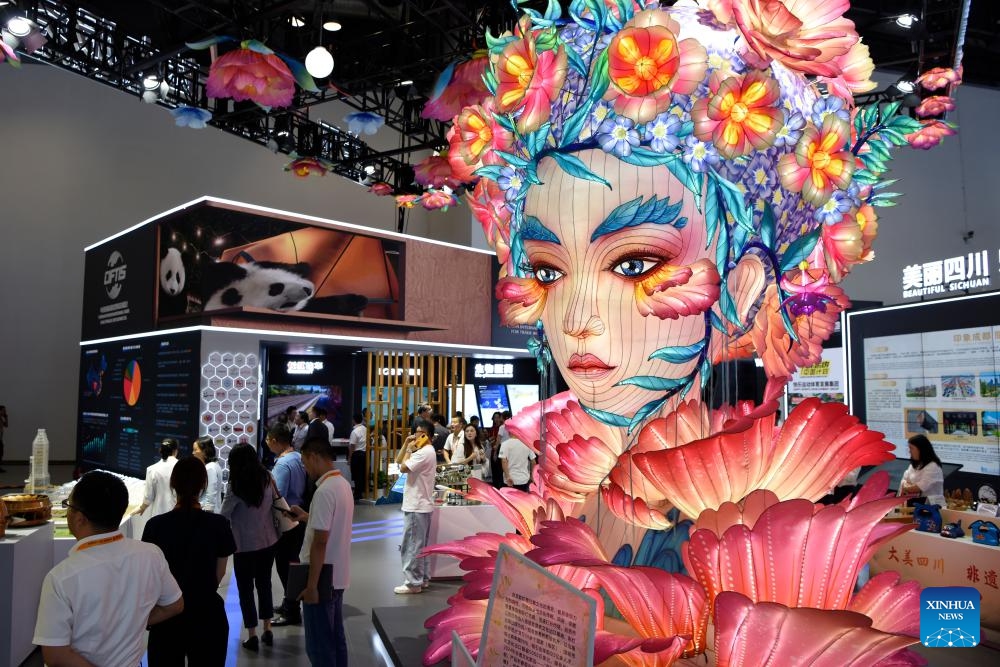
The 2024 China International Fair for Trade in Services (CIFTIS) concluded in Beijing on Monday, achieving some 1,000 practical outcomes in deals and investments, with more than 20 percent of its on-site exhibitors being international companies.

Multiple foreign-funded enterprises showcased their latest innovations at the expo, while expressing confidence in exploring the Chinese market.

The outcomes achieved during this year's CIFTIS include transactions and investments in fields such as construction, finance and business services. During the event, 56 sessions were held, including international cooperation project negotiation and promotion meetings, according to the organizer.

A total of 111 enterprises and institutions, including Fortune Global 500 companies and industry leaders, announced 219 achievements in the fields of digitalization, artificial intelligence, healthcare and more, an increase of 80 compared with the previous edition, Piao Xuedong, head of the Beijing Municipal Commerce Bureau, said at a press conference on Monday.

The fruitful results of the CIFTIS demonstrate China's firm determination to boost high-quality development through high-level opening-up, and these results reflect a broad, important consensus on deepening the global services industry and services trade cooperation, and reflect outstanding achievements in the innovative development of services trade, Wang Bo, an official of the Ministry of Commerce, said at the conference.

"This is our first time to participate in the CIFTIS and we had many conversations surrounding our environmental services and learning from the experts in attendance about the opportunities in providing ESG-related services," Frank Hammes, global CEO of Swiss air quality technology company IQAir, told the Global Times on the sidelines of the CIFTIS.

China is one of the most dynamic economies in the world. Intense competition among companies within China and a growing internal market has made China highly competitive in nearly every product category. As a foreign enterprise in China, this situation is both an opportunity and a challenge, Hammes said.

"China will continue to be an important part of our business," he said.

Jiang Lei, general manager of French pilot training center operator Simaero, noted the fast growth of the company's business amid China's continuous opening-up process.

"Our company provides training services for civil aviation pilots with a simulation cockpit, and our revenues and business scope have expanded at a great speed since the establishment of our first joint venture in China in 2021," Jiang told the Global Times.

"There is a long list of Chinese localities that we plan to expand our business cooperation with to meet the growing demand of China's fast-growing civil aviation industry."

China's National Development and Reform Commission, the country's top economic planner, recently issued the 2024 negative list for foreign investment access, with restrictions on foreign investment in the manufacturing sector to be completely lifted, in a latest effort to promote wider opening-up to the outside world.

How ‘Black Myth: Wukong’ shines a global spotlight on China’s ancient wonders

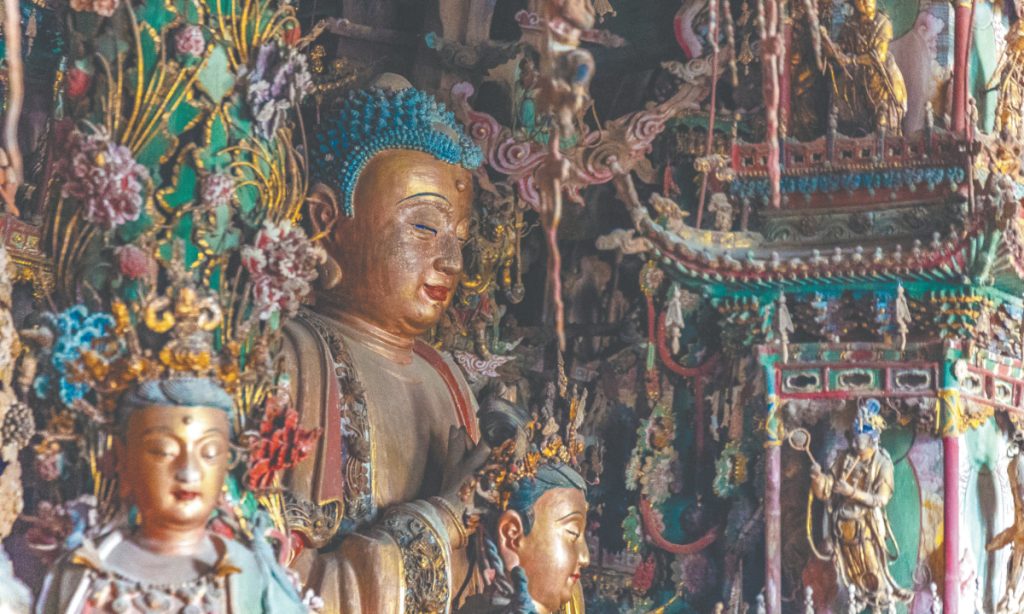
This past week, the legendary Monkey King, Sun Wukong, has re-emerged from ancient scrolls, enchanting the world with his timeless adventures. As Black Myth: Wukong takes the gaming world by storm, conversations are shifting beyond the gameplay to uncover the rich cultural treasures woven into its fabric - like the breathtaking ancient architecture and intricate statues that breathe life into this epic tale.

On Tuesday, the Chinese gaming industry hit a major milestone with the global release of Black Myth: Wukong, a AAA action RPG. Created by Game Science, this epic adventure draws from the legendary Journey to the West, letting players step into the shoes of a destined hero on a wild, perilous journey.

Within just hours of its launch, the game shot to the top of Steam's most-played list for a single-player game, sparking a frenzy of excitement across social media.

But it's not just the game- play that has everyone talking. Black Myth: Wukong stands out for its stunning, lifelike portrayal of ancient Chinese architecture and cultural heritage.

With 36 in-game locations meticulously modeled after real-world sites, including 27 in North China's Shanxi Province - known for its rich historical relics - the game offers players a visually immersive experience like no other, the People's Daily reported.

According to the Xinhua News Agency, to crafta truly immersive, world-class game, the game company Game Science spent years capturing foot- age from historical and cultural sites across China. They used real-world scanning technology to upload digital models of ancient buildings, statues and sculptures into Unreal Engine 5, a real-time 3D creation tool, laying the foundation for an ultra- realistic experience.

The impact of Black Myth: Wukong has gone be- yond the screen, creating a ripple effect in cultural tourism.

The heritages shown in the game have seen a surge in interest. Shanxi's tourism search volume jumped by over 10 percent on launch day, with his- torical sites like Xiao Xi Tian Temple and Yuhuang Temple becoming must-see destinations for fans eager to explore the game's real-world inspirations.

In a savvy move, tourism boards across regions like Shanxi are now rolling out "Follow Wukong" travel campaigns, inviting gam- ers to experience the beauty and history that inspired the game.

With millions of "Monkes" joining the journey, Black Myth: Wukong has unleashed Sun Wukong's legendary power, turning him into a magic force that is propelling China's ancient wonders into the spotlight.

EC to blame if EV talks fail to reach consensus: official

China's Ministry of Commerce (MOFCOM) on Friday criticized the European Commission (EC)'s rejection of price offers from Chinese electric vehicle (EV) producers, saying the move shows the EC's lack of sincerity in addressing the dispute through dialogue and stressing China's firm determination to safeguard firms' rights and interests.

"The EC ignored the Chinese industry's sincerity and efforts, and without further communication, said it would reject the Chinese industry's proposal of flexible solution. The Chinese side is deeply disappointed with this," a spokesperson for the MOFCOM said.

The remarks came after the EC, the executive body of the EU, said on Thursday that it had received offers from Chinese EV makers for minimum import prices into the EU market and had rejected all of them, according to Reuters.

The EC's rejection of relevant proposal without thorough evaluation not only undermines the confidence of the Chinese industry in continuing cooperation, but is also inconsistent with the expectations of some EU member states, and is inconsistent with the EC's public statement that it hopes to resolve this case through dialogue, the MOFCOM spokesperson said.

The spokesperson also pointed out that China has made great efforts, including proposing flexible solutions, while the EC lacked sincerity in meeting China halfway.

"If the consultations fail to reach consensus in the end, the responsibility lies entirely with the European side," the spokesperson said. "China has the greatest sincerity to properly resolve differences through dialogue and consultation, as well as the greatest determination to safeguard the legitimate rights and interests of Chinese enterprises."

The MOFCOM has announced that Minister of Commerce Wang Wentao will visit Europe and hold talks with EC Executive Vice President and Trade Commissioner Valdis Dombrovskis on September 19 to discuss the EU's anti-subsidy case against China's EVs.

Experts also noted that the Chinese industry's proposal is another example of the Chinese side's commitment to properly resolving the dispute through dialogue and consultation. However, China will firmly safeguard its interests, if the EC refuses to meet China halfway.

The EC should strengthen dialogue and communication with China, show the same sincerity as China in the process, and actively seek solutions that are consistent with WTO rules and acceptable to both parties, Wang Yiwei, a professor at the School of International Relations at Renmin University of China, told the Global Times.

"Both parties are in negotiations, and it would be best if a mutually acceptable outcome can be reached. However, if it touches on China's core interests, no concessions will be made," Wang Yiwei said.

Pakistan-China friendship highlighted in Independence Day celebrations, two former diplomats awarded for contributions

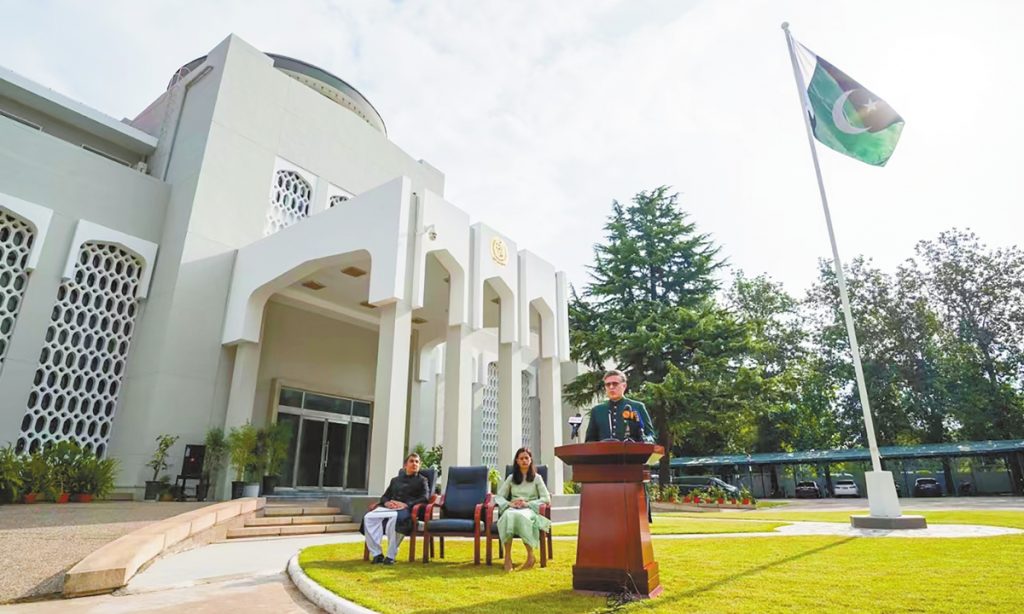
The Embassy of Pakistan in China celebrated the 78th Independence Day of Pakistan in Beijing on August 14. Activities were hosted at the embassy. The friendship between China and Pakistan was also celebrated at an award ceremony.
In the early morning, officials and members of the Pakistani community participated in a flag-hoisting ceremony to celebrate the 78th Independence Day of Pakistan. Holding the national flag, Pakistani children smiled in the morning sunlight.

Messages from the President of the Islamic Republic of Pakistan, Asif Ali Zardari, as well as Prime Minister Muhammad Shehbaz Sharif, were extended to those in attendance.

In his keynote speech, Pakistan's Ambassador to China Khalil Hashmi said, "This day marks a celebration of our nation's enduring spirit, a testament to the sacrifices and unwavering resolve of our founding fathers, who paved the path for our freedom. As we unfurl our national flag today, let us reflect on the progress we have made and renew our commitment toward a prosperous and peaceful country."

The ambassador also stressed the importance of Pakistan-China friendship.

"Here in China, we are privileged to witness the blossoming of a friendship that has grown alongside our nation's journey. The bond between Pakistan and China, characterized by mutual respect and a shared vision, is unparalleled in inter-state relations," he said.

Moreover, the Embassy of Pakistan in China hosted a Pakistan Civil Award Investiture Ceremony. Two representatives who contributed to the bilateral ties were awarded - Sha Zukang, former permanent representative of China to the UN in Geneva, who also served as president of the China-Pakistan Friendship Association, and Nong Rong, deputy director of the Hong Kong and Macao Work Office of the CPC Central Committee and Hong Kong and Macao Affairs Office of the State Council, who also served as the Chinese Ambassador to Pakistan.

Ambassador Hashmi, on behalf of the President of Pakistan, conferred the prestigious "Hilal-e-Quaid-i-Azam" award.

In his remarks, the Ambassador extended heartfelt congratulations and paid a rich tribute to the contributions made by the two dignitaries. He highlighted the significant impact of their efforts on bilateral relations and beyond.

Toxic fan culture undermines team solidarity: table tennis Olympic champion

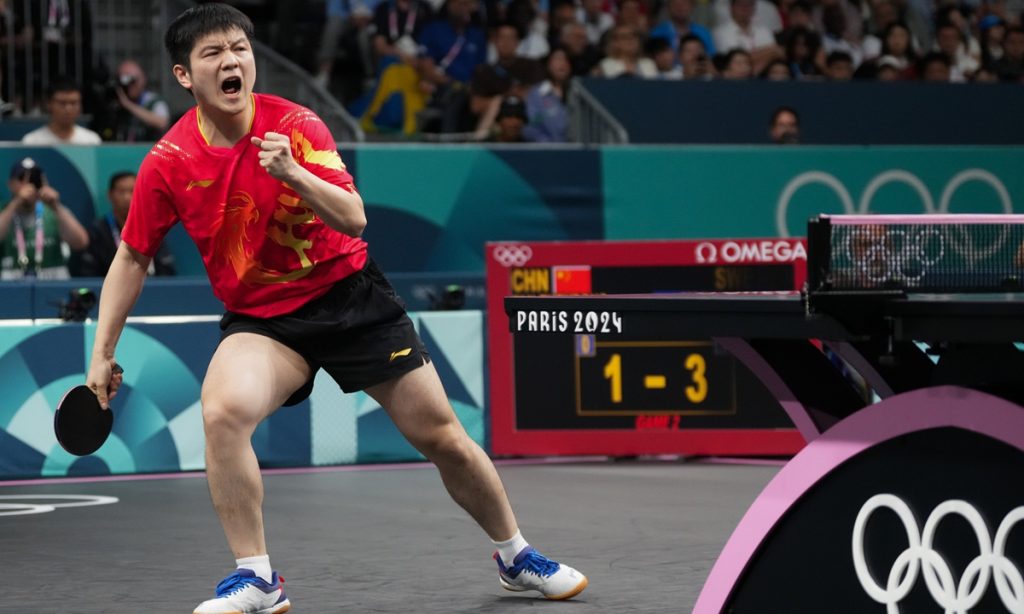
In a video interview with China Central Television on Monday, China's men's table tennis world champion, Fan Zhendong, said that he has been harmed by "fan culture," which also undermined Team China's solidarity.   

Fan was frank about the harm toxic fandom has brought. He said that some behaviors of out-of-control fans has made it difficult for athletes to train and that the hostile environment they have created has impacted athletes. 

"Fans over-focus on a lot of things off the court, creating a lot of pressure for us," said the player. As a result, he felt that it was not okay to lose a match, but it also seemed to him that things were still not right even if he won a match. 

After the Paris 2024 Olympic Games, some netizens speculated that Fan might retire. In response, Fan said, "I feel really tired after this season, and I need to take a good rest. So far, I haven't thought about the next Olympic Games yet. Leave it to time to see what the future holds," he said. 

On Saturday, China's Table Tennis Association issued a statement, saying the organization stands firmly with authorities in cracking down on illegal behavior in fan circles.

Regulating the illegal behavior of fans in sports can create a more inclusive environment for training and the lives of athletes, while fans can return to an appropriate, rational and positive culture, forming a benign online environment, as many netizens commented. 

Culture Beat: Children’s play set in Qinghai-Xizang Plateau premieres

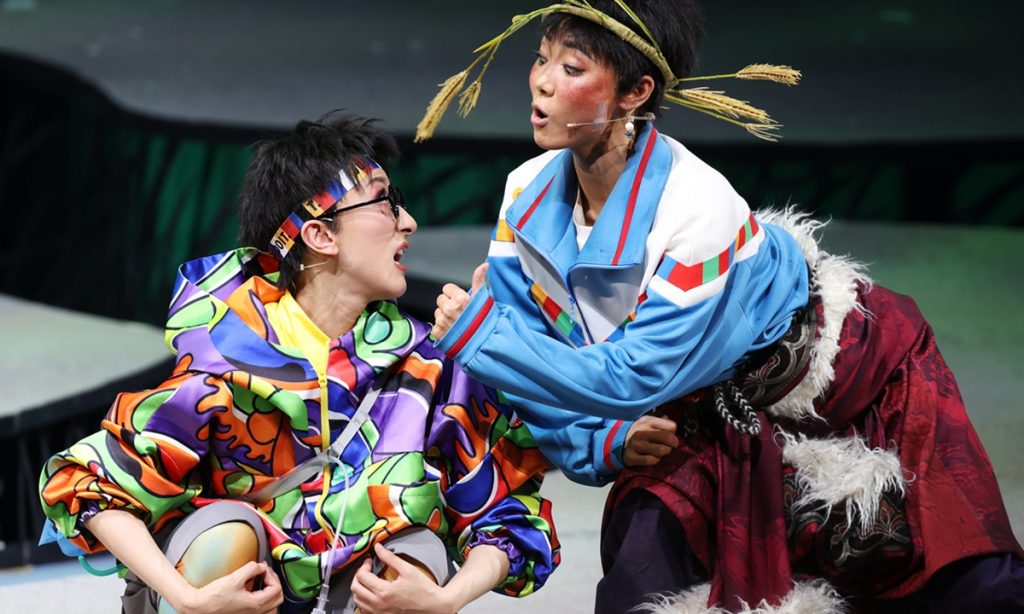
The original children's play Black Eyes on the Plateau successfully premiered recently at the Nanluo Theater in Beijing. 

Set in the black-necked crane nature reserve in the Yushu Tibetan autonomous prefecture, Northwest China's Qinghai Province, the play follows the touching story of a Beijing boy named Xia Tian and his young companions from the region getting to know each other while forming deep bonds of friendship. Yushu is the home of Sanjiangyuan, or Source of the Three Rivers, which contains the headwaters of the Yellow, Yangtze and Lancang rivers. 

"Sanjiangyuan is truly a treasure, I had no idea that the water I drink every day comes from there. The scenery is so beautiful, and I want to help protect Sanjiangyuan in the future," one excited child in the audience said.

MOFCOM vows ‘necessary measures’ against US’ sanctions on Chinese firms over alleged involvement in Russia-Ukraine conflict

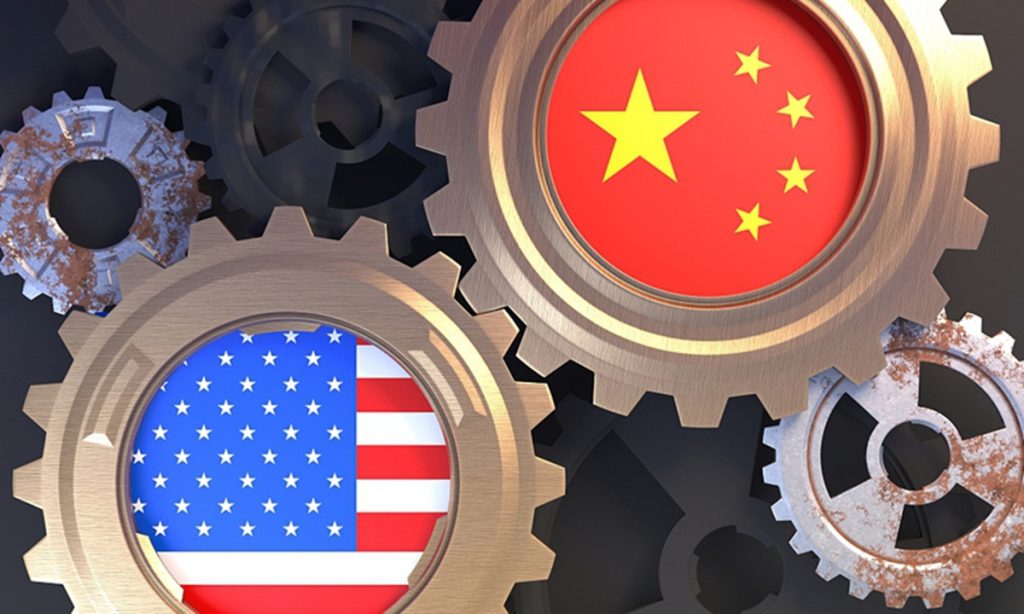
Chinese Commerce Ministry (MOFCOM) on Sunday blasted the US' sanctions on Chinese companies over their alleged involvement in Russia-Ukraine conflict as a typical example of long-arm jurisdiction and unilateral sanctions, vowing "necessary measures" to safeguard the legitimate rights and interests of Chinese companies.

On Friday (US time), the US imposed sanctions on more than 400 entities and individuals for allegedly supporting Russia in the Russia-Ukraine conflict, including Chinese companies, Reuters reported, citing the US State Department.

It said the Biden administration's sanctions include measures against companies in China allegedly involved in shipping machine tools and microelectronics to Russia. Meanwhile, the US also added 42 companies in China on its Entity List, forcing suppliers to obtain licenses before shipping to targeted companies, according to the report.

China firmly opposes the sanctions, a MOFCOM spokesperson said in a statement published on the ministry's website.

The practice is a typical example of long-arm jurisdiction and unilateral sanctions, which disrupts international trade norms and rules, impedes normal trade between countries, and impacts the security and stability of global industrial and supply chains, said the spokesperson. 

"We urge the US to immediately halt these misguided actions, and will take necessary measures to safeguard the legitimate rights and interests of Chinese companies," the spokesperson said.

CFA appoints 41 social soccer supervisors for healthy development

To strengthen the supervision and management of soccer activities, the Chinese Football Association (CFA) has appointed 41 individuals as social soccer supervisors, an initiative that aims to enhance transparency and promote healthy development of the soccer industry.

The first batch of supervisors consist of 21 social representatives, 10 fan representatives, and 10 media representatives, who are drawn from national media, fan organizations and representatives from disciplinary inspection and supervision departments.

Wang Dazhao, a soccer commentator from Beijing, told Global Times that while the intention behind establishing supervisors is good, its effectiveness remains uncertain. He said that the development of Chinese soccer largely depends on high-level directives and instructions, which are not easily influenced by social supervision.

The primary duties of these supervisors include attending briefings by the CFA on key soccer tasks, providing feedback and suggestions, and participating in the supervision of professional leagues, youth matches and referee assignments.

Their supervision work focuses on ensuring that soccer industry professionals abide by the law, maintain integrity and fulfill their responsibilities. Social supervisors are expected to report their findings to the CFA, highlight issues and suggest improvements.

Many fans have expressed a positive attitude toward the establishment of supervisors, seeing it as a crucial step toward the healthy development of Chinese soccer.

"As ordinary fans who love soccer, we are well aware of the problems and shortcomings in the current domestic soccer industry. Having more channels for supervision and feedback through the supervisor system to make the industry more transparent and fairer is a good thing," Zhao Yuting, a soccer fan, told Global Times.

During the selection process, media personnel had to obtain the approval from their organizations, while fan representatives were chosen from officially registered fan organizations approved by local soccer associations and sports administrative departments.

Despite the relatively cumbersome selection process, Wang said it is unlikely to reverse the decline in Chinese soccer. 

"In recent years, the overall level of Chinese soccer has declined, including the quality and behavior of fans. It will likely require additional measures to improve the situation," Wang said.

"Drafting standards and regulations is relatively easy; the challenge lies in whether the implementation mechanisms are strict, reasonable, effective and fair," Wang said.  

"In the CFA's appointment of supervisors and the handling of 'fake gambling and match-fixing' issues, while the regulations are detailed and clear, the key is practical implementation." 

Soccer commentator Fu Yayu also posted on social media that the role of social supervisors is more symbolic than practical, as it lacks effective mechanisms and channels. 

Despite many questioning voices, many fans like Zhao still choose to support this measure.

"For a long time, we have witnessed some opaque and unfair practices in the soccer industry, which have affected the enjoyment and credibility of the games. I hope supervisors can play a role in advocating for civilized behavior, creating a healthy and positive soccer culture," Zhao said.

"Good supervisors will help build a positive soccer culture. When that culture is in place, the level of Chinese soccer will naturally improve," Zhao added.